


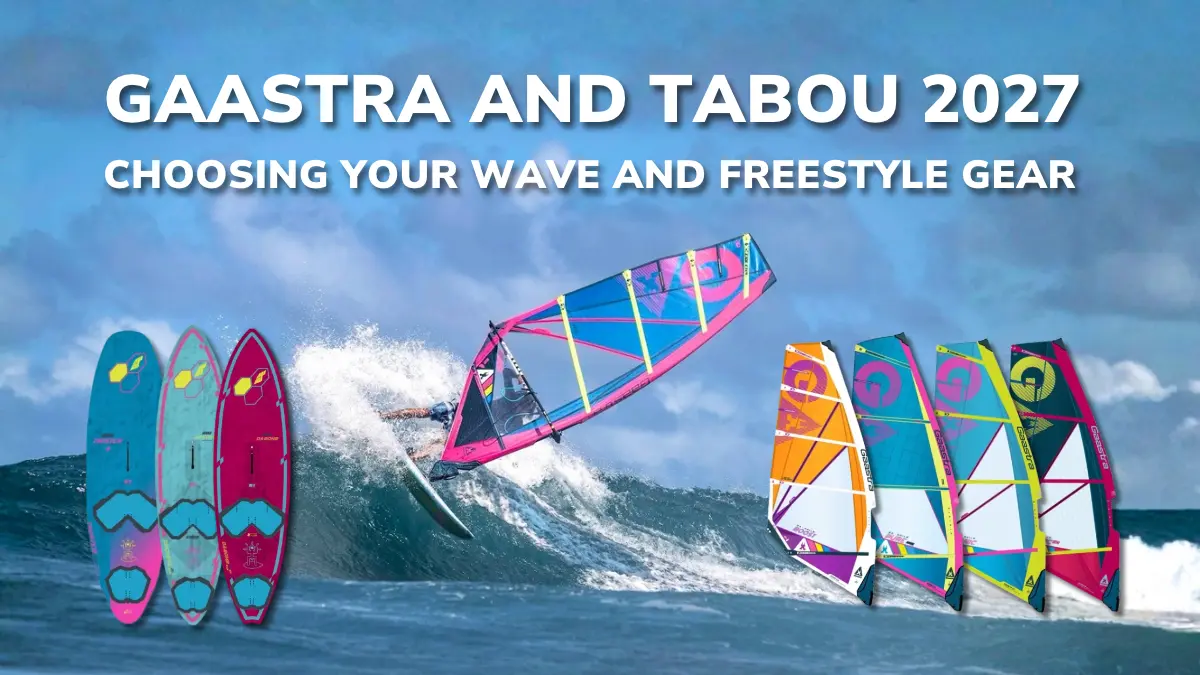
A good wave session does not always mean clean waves and wind from the perfect direction. Sometimes the jumps make your day; sometimes it is one well-executed turn. In freestyle, the goal might be a new trick or a cleaner landing on one you already know. Your equipment should help you get there, so it makes sense to choose gear that suits what you want to do on the water.
The Gaastra and Tabou 2027 wave and freestyle collection features familiar names: Manic, Manic HD, Boost and Pure sails, alongside Da Curve, Da Bomb and Twister boards. We look at their intended use and explain the differences that matter when choosing. The redesigned Da Bomb and the new, smaller Twister 85 are particularly interesting additions.
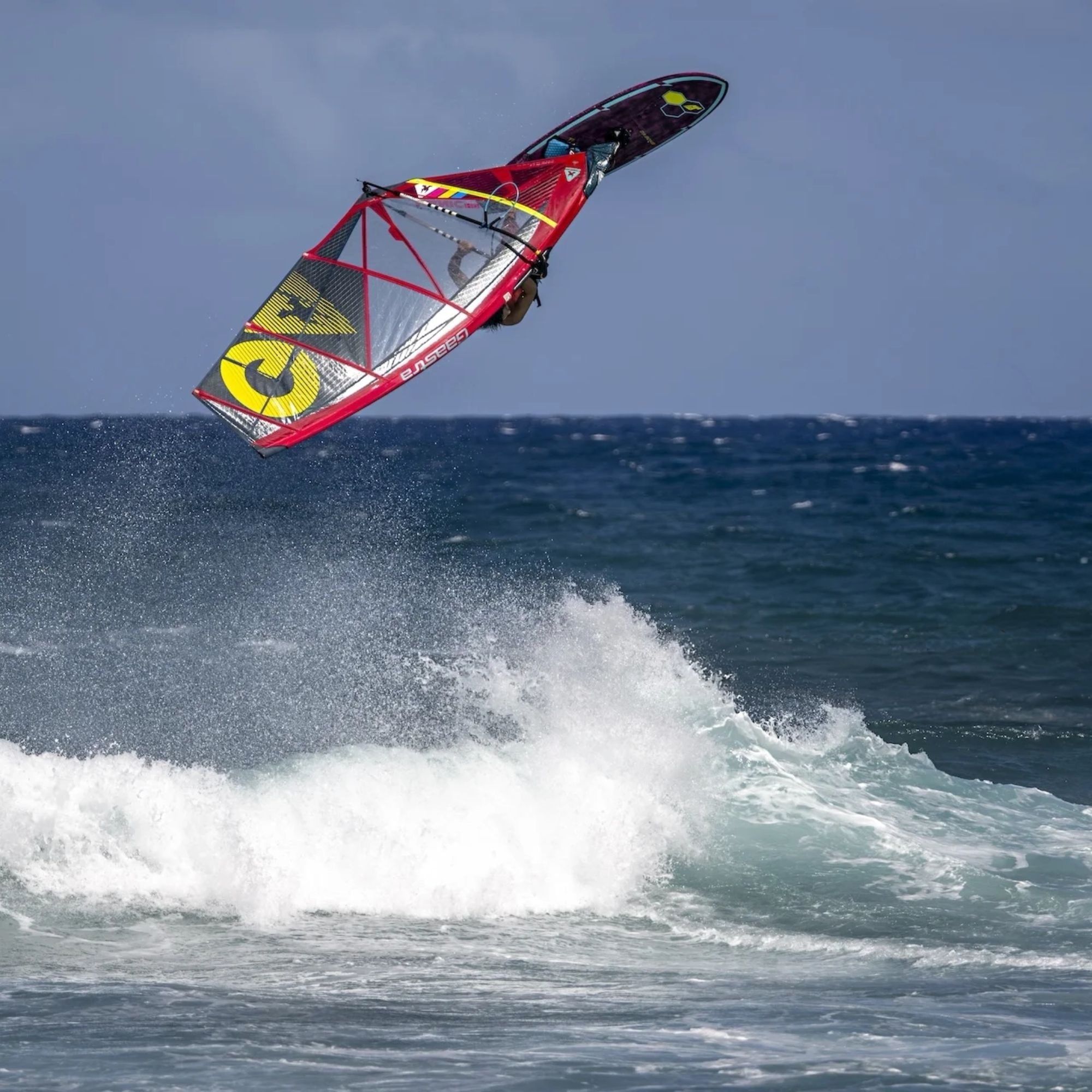
What is new for 2027?
The Da Bomb has a redesigned shape. A new bottom shape, revised nose proportions and an updated rocker line aim to combine efficient acceleration with easier rail-to-rail transitions. These changes target riders who want to wave ride and jump even in less organised onshore conditions.
An 85-litre version joins the Twister range, alongside the 93 and 103. The smaller model provides another option for lighter freestylers and those looking for a board for stronger winds.
One feature worth looking at in the wave and freewave sails is the Continuous Radial Panel Layout, which aligns the panels with the load paths through the sail. In the Manic and Boost, it works alongside carbon tapes radiating from the clew. These features are designed to support profile stability and smooth power delivery. Shared technology does not mean identical performance priorities, though: the Manic and Boost still serve different purposes.
Manic or Boost? Start with your sessions
The Manic is a wave sail focused on responsiveness and manoeuvrability. The Boost is a freewave sail with greater emphasis on stability, drive and jumping. Both are designed for sailing in waves, but it helps to think about what most of your sessions actually involve.
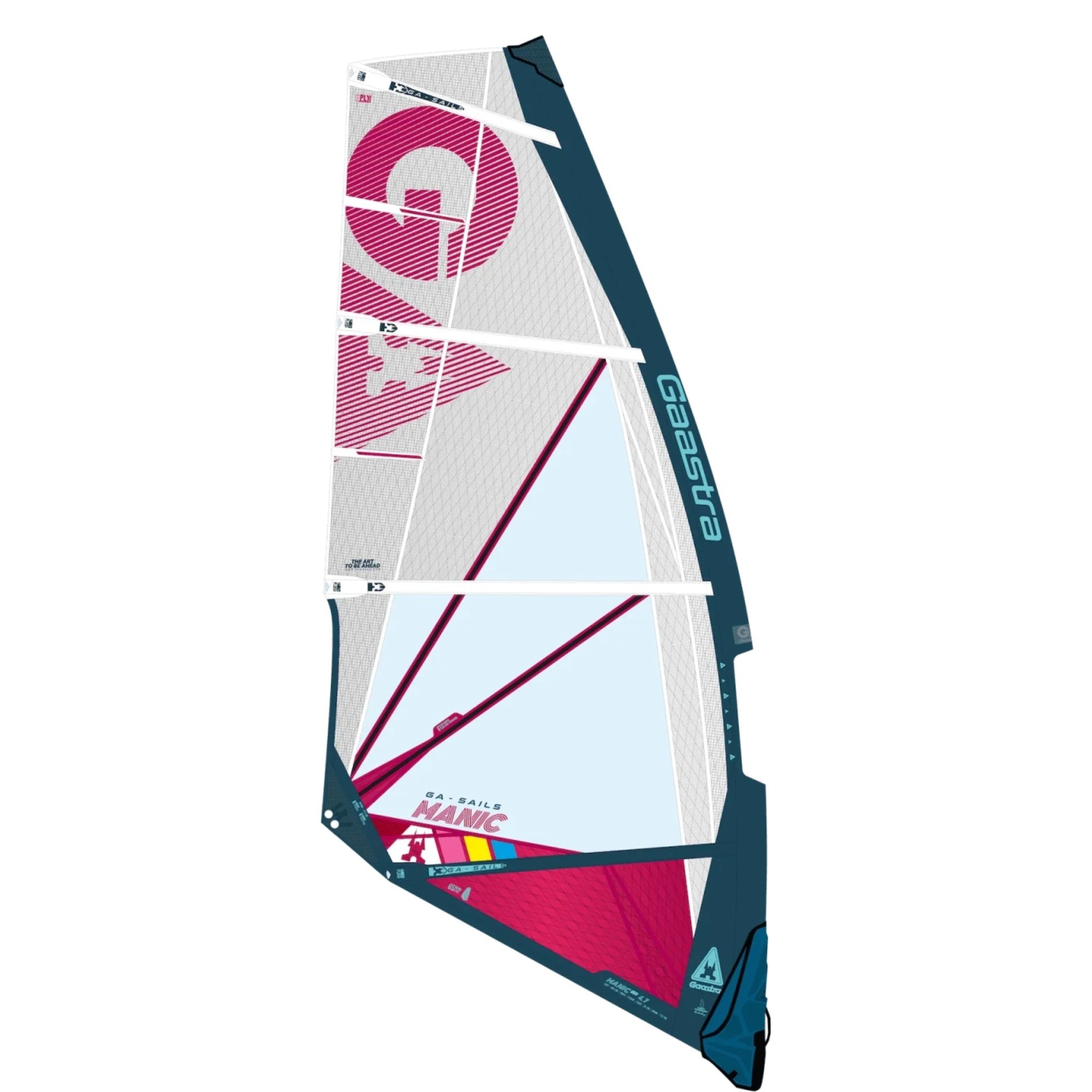
Gaastra Manic 2027: when the wave manoeuvre comes first
The Manic has four battens and a construction focused on low weight and a direct response to your input through the boom. This is useful when repositioning the sail through a bottom turn, transitioning into a top turn and adjusting power while riding a wave.
It is designed for both down-the-line riding and onshore conditions. The Manic is not reserved for perfect waves, but sail handling through wave manoeuvres remains its priority. If the moment you look forward to most is catching a wave and linking several turns, this is the sail to consider.
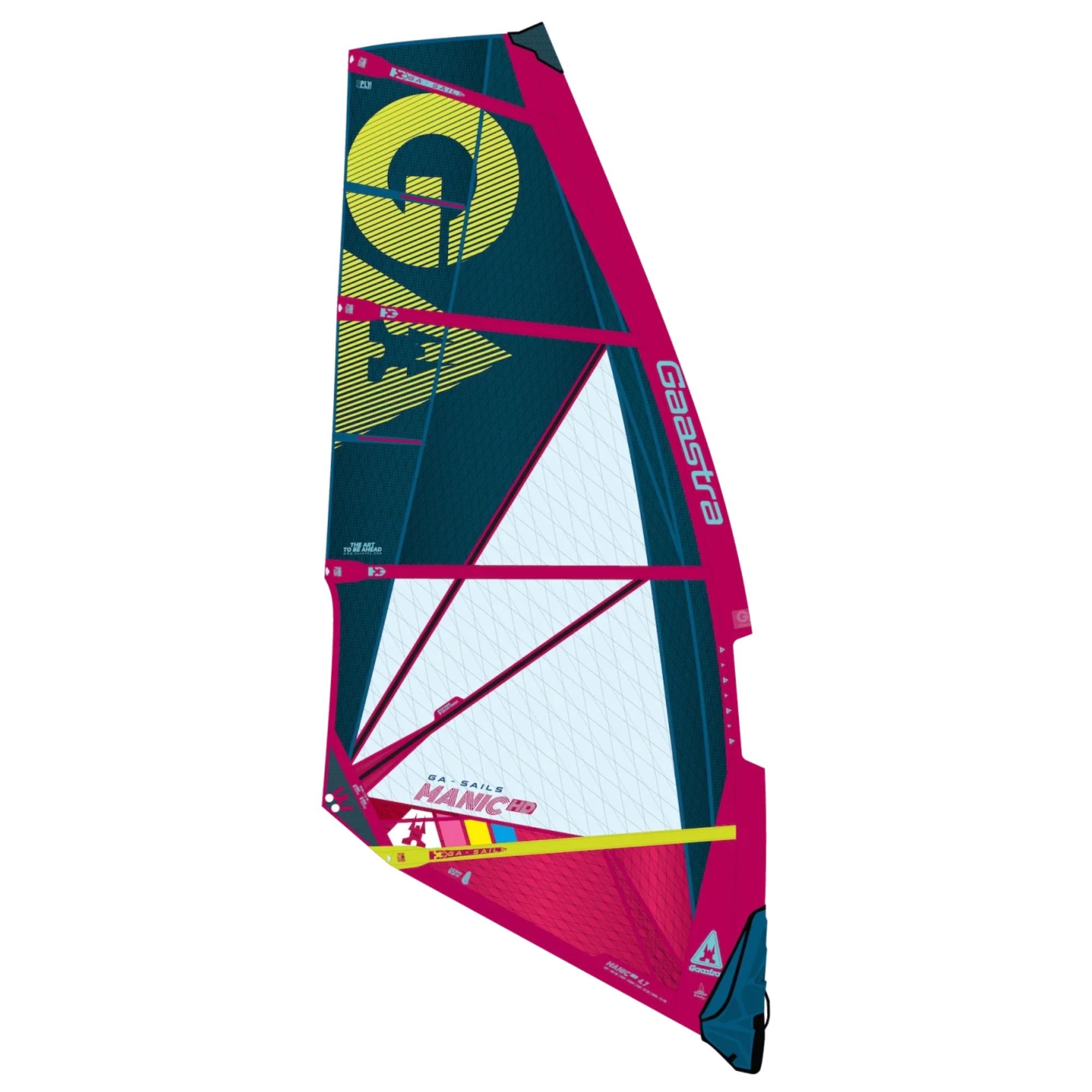
Standard Manic or Manic HD?
The HD version retains the Manic’s wave focus and four-batten layout. The key difference is the X-Ply window, which uses a reinforcing scrim to improve the durability of this part of the sail.
The standard Manic is a natural starting point if a light rig is high on your list of priorities. Consider the HD if you want a reinforced window and greater durability for demanding conditions. This choice is about construction, rather than a different discipline or skill level.
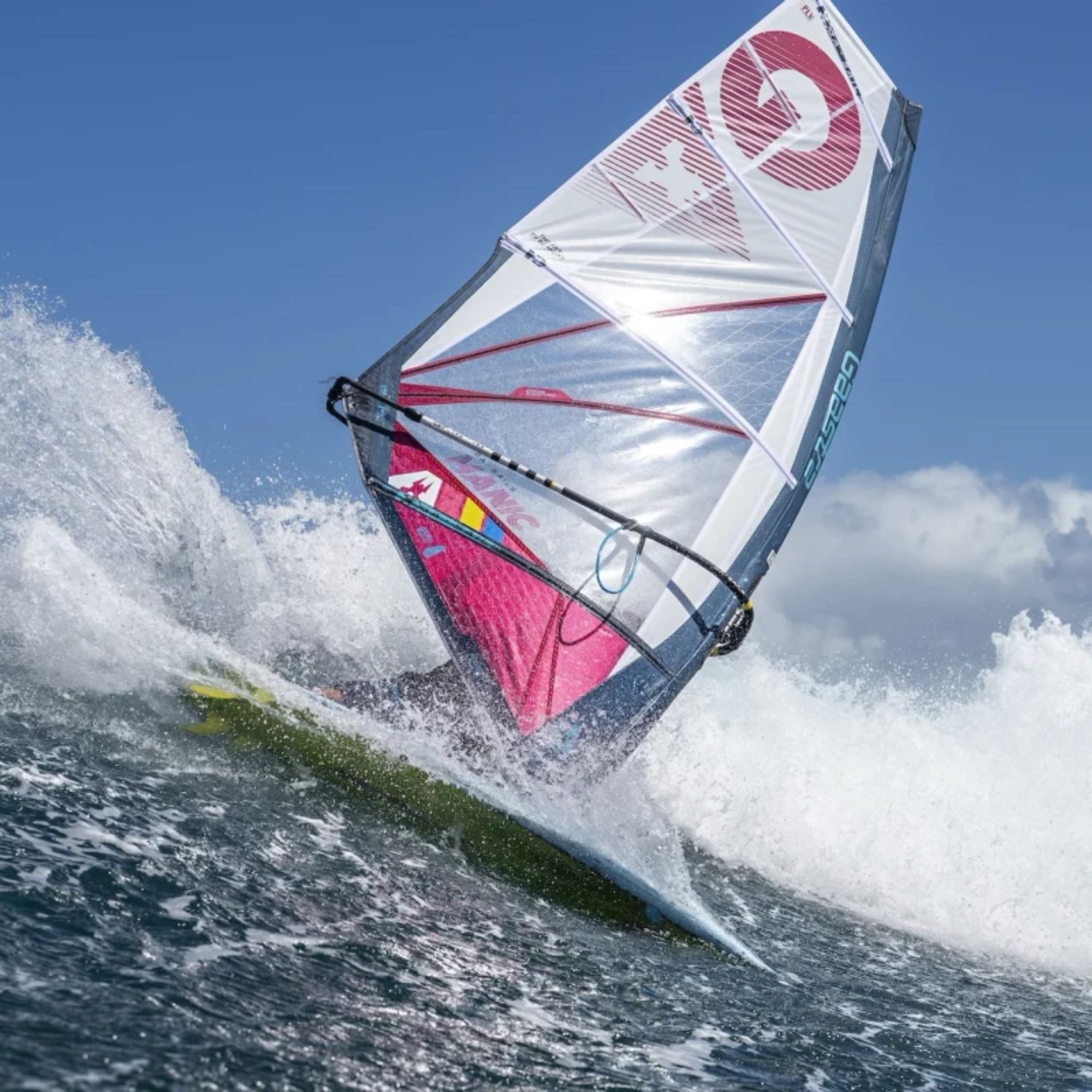
Gaastra Boost 2027: a stable sail with plenty of power
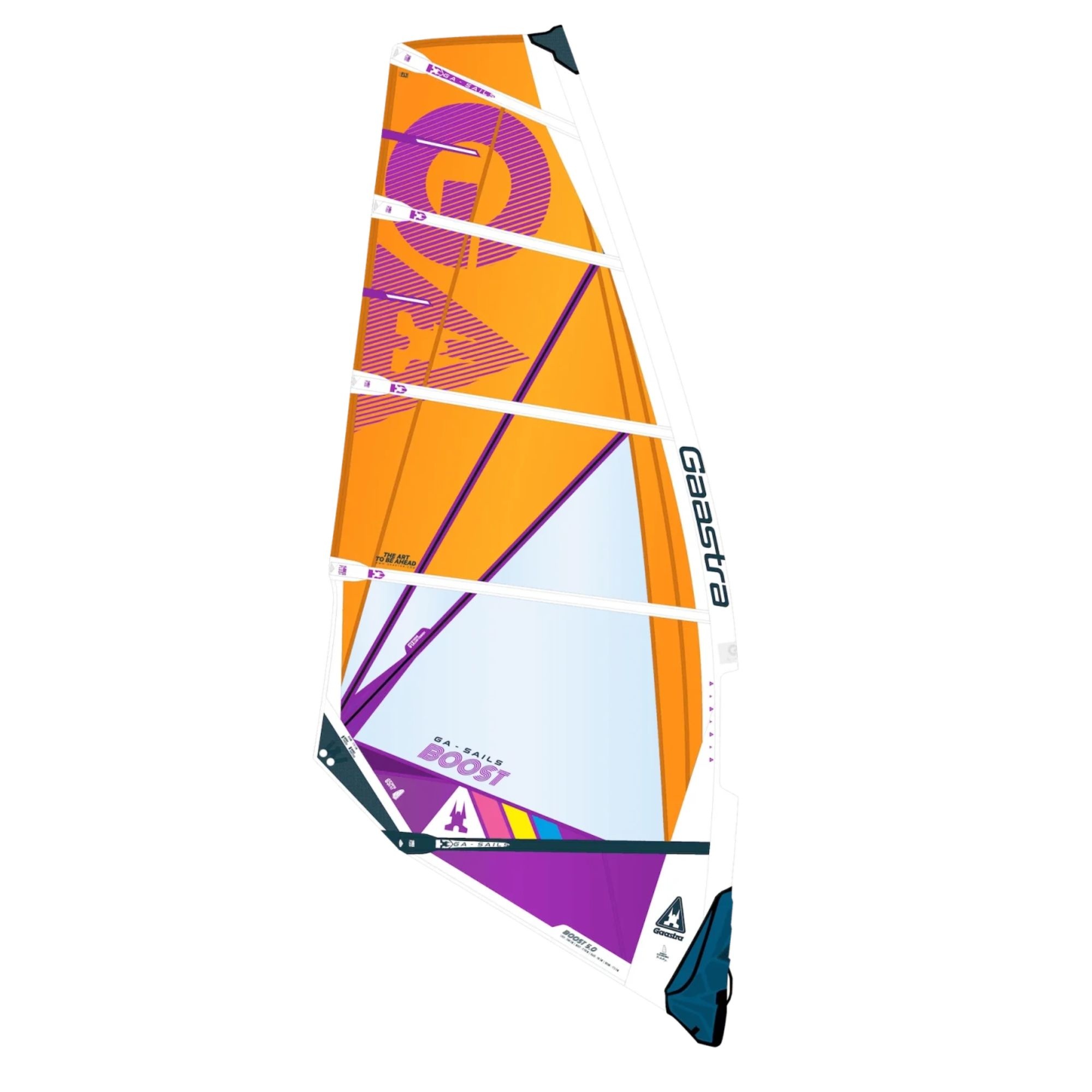
The Boost uses five battens. Its profile is designed to remain stable, deliver plenty of power and help you get through the shorebreak. It suits riders who put more emphasis on jumping and straight-line sailing than on maximum manoeuvrability.
If your local spot delivers chop and onshore wind more often than long, clean waves, this character can be particularly useful. The Boost prioritises the power needed to accelerate the board and keep the rig controlled before take-off. It still lets you catch waves and carve turns, but its broader focus includes freewave and bump & jump sailing.
Manic vs Boost: the practical differences
| Priority | Manic / Manic HD | Boost |
|---|---|---|
| Intended use | Wave sailing, manoeuvres and wave riding | Freewave, bump & jump and onshore conditions |
| Battens | 4 | 5 |
| Character | Responsiveness and freedom to manoeuvre the rig | Stable handling, drive and control at speed |
| Typical session | Catching waves, linking bottom and top turns, plus jumping | Fast reaches through chop, jumps and wave manoeuvres |
| HD version | Yes, with an X-Ply window | The Boost does not come in an HD version |
Our advice: if you want a manoeuvrable wave sail, look at the Manic. If your priorities are plenty of power, stability and sailing in less organised waves, consider the Boost.
Da Curve or Da Bomb? Two wave boards with different priorities
Both boards are designed for wave sailing. The difference lies in how they balance manoeuvrability with acceleration and maintaining speed.
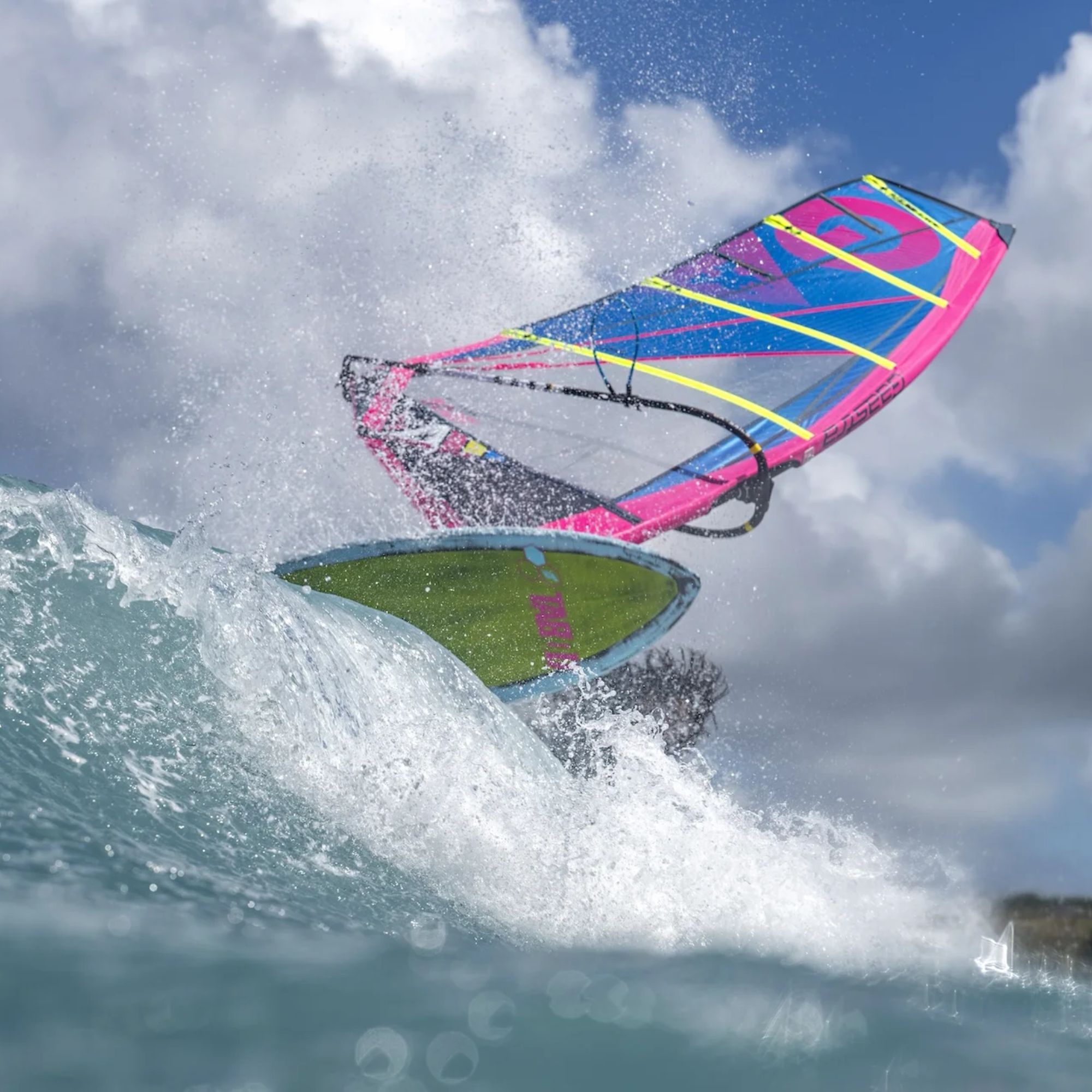
Tabou Da Curve 2027: precision on the rail
The Da Curve is Thomas Traversa’s pro model, developed for dynamic wave riding. Its round pintail outline, thin rails towards the tail and single-concave bottom create a shape focused on turning.
The aim is to let you load the rail precisely and adjust your turning radius. It is a direction for riders who want to commit to a bottom turn, change direction quickly and make use of the next section. The Da Curve also works in less organised conditions, so you do not need to save it for trips with perfect down-the-line waves.
Wave / Thomas Traversa
Tabou Da Curve 2027
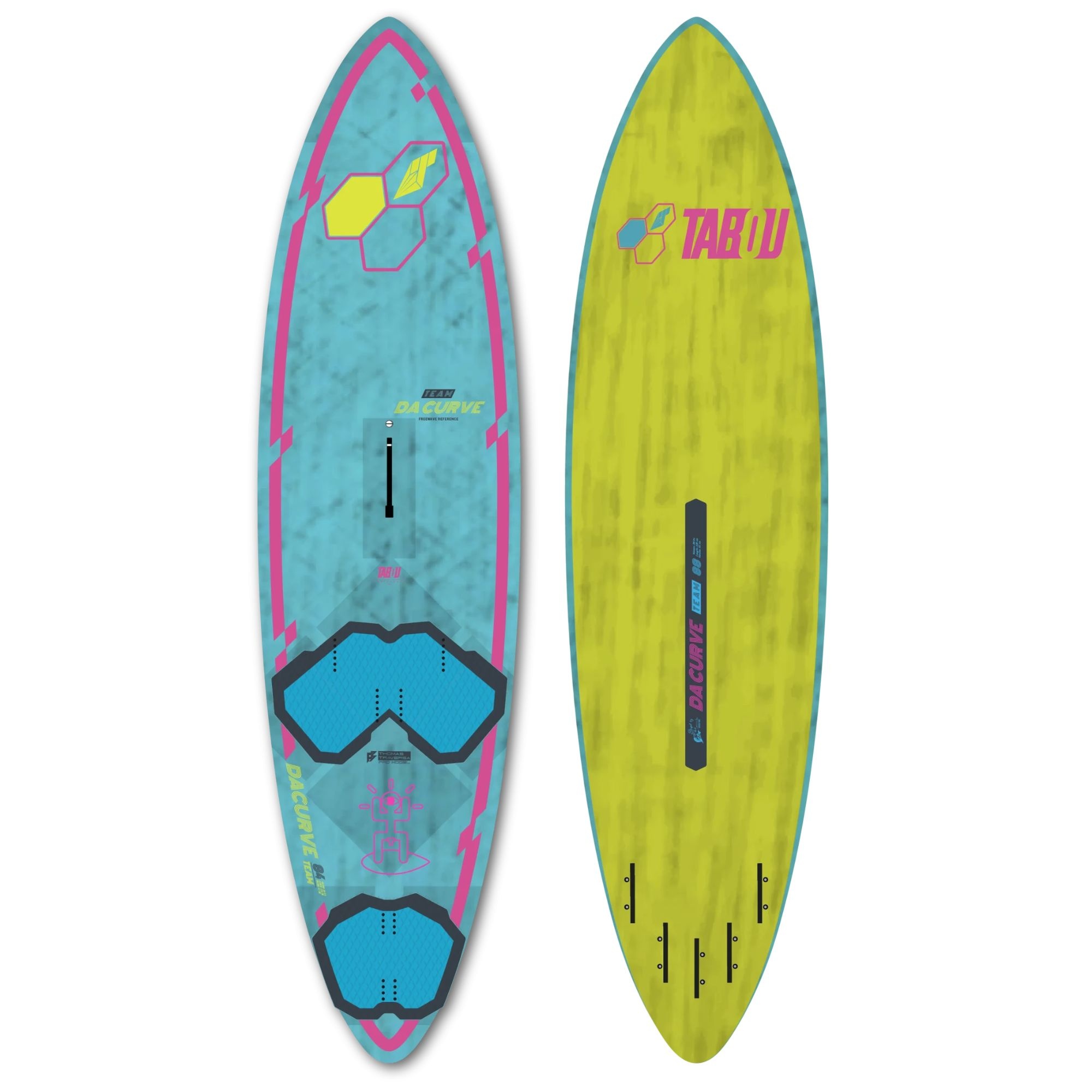
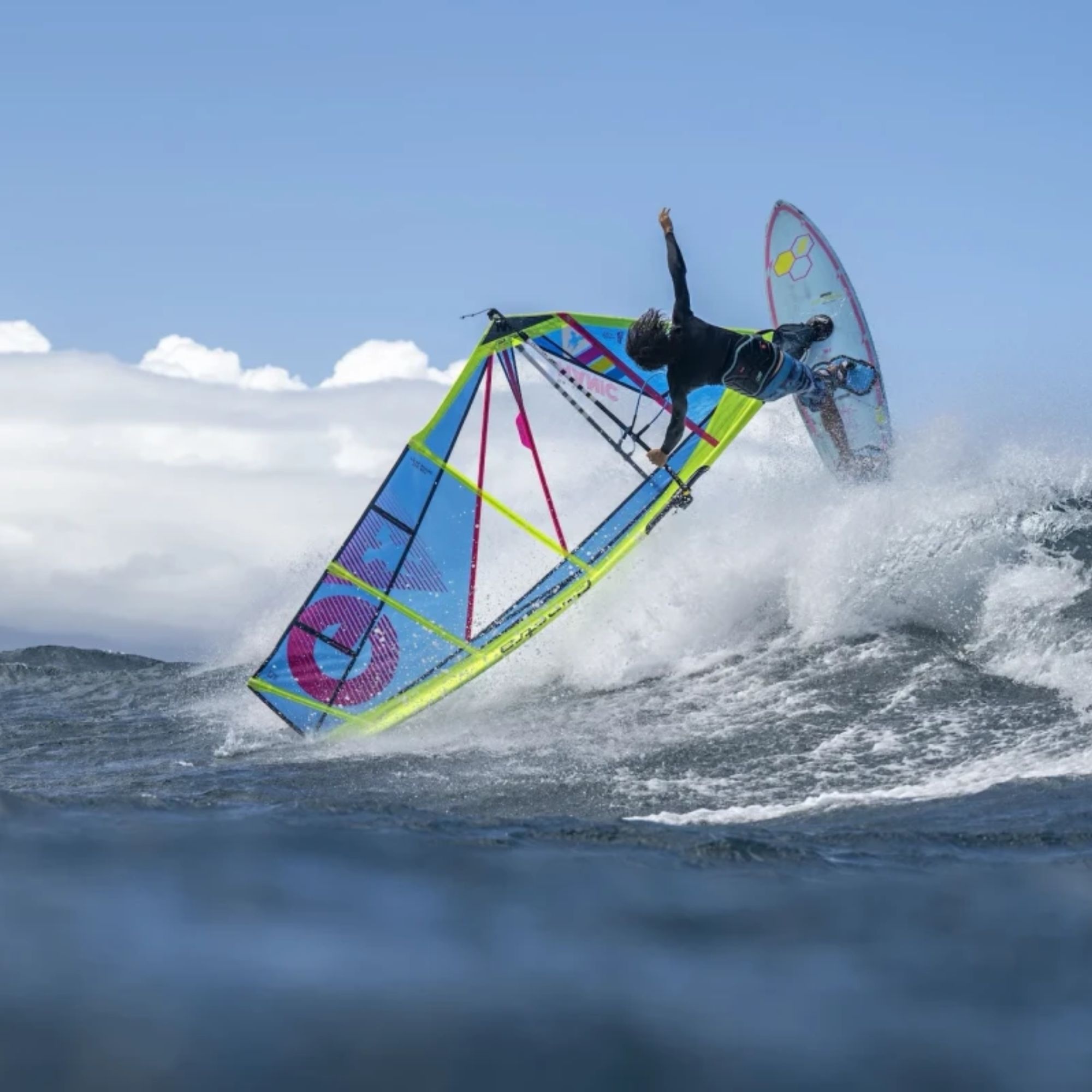
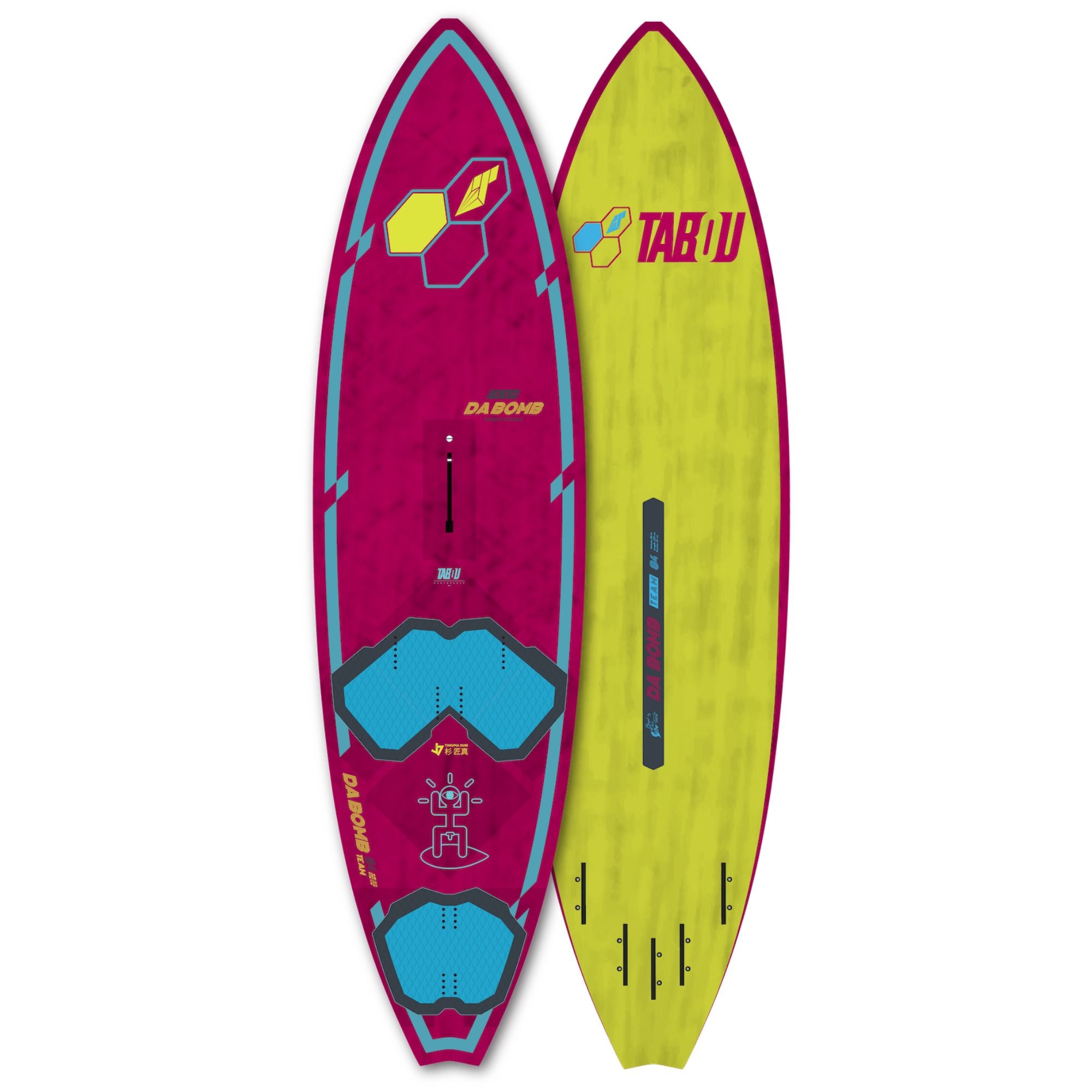
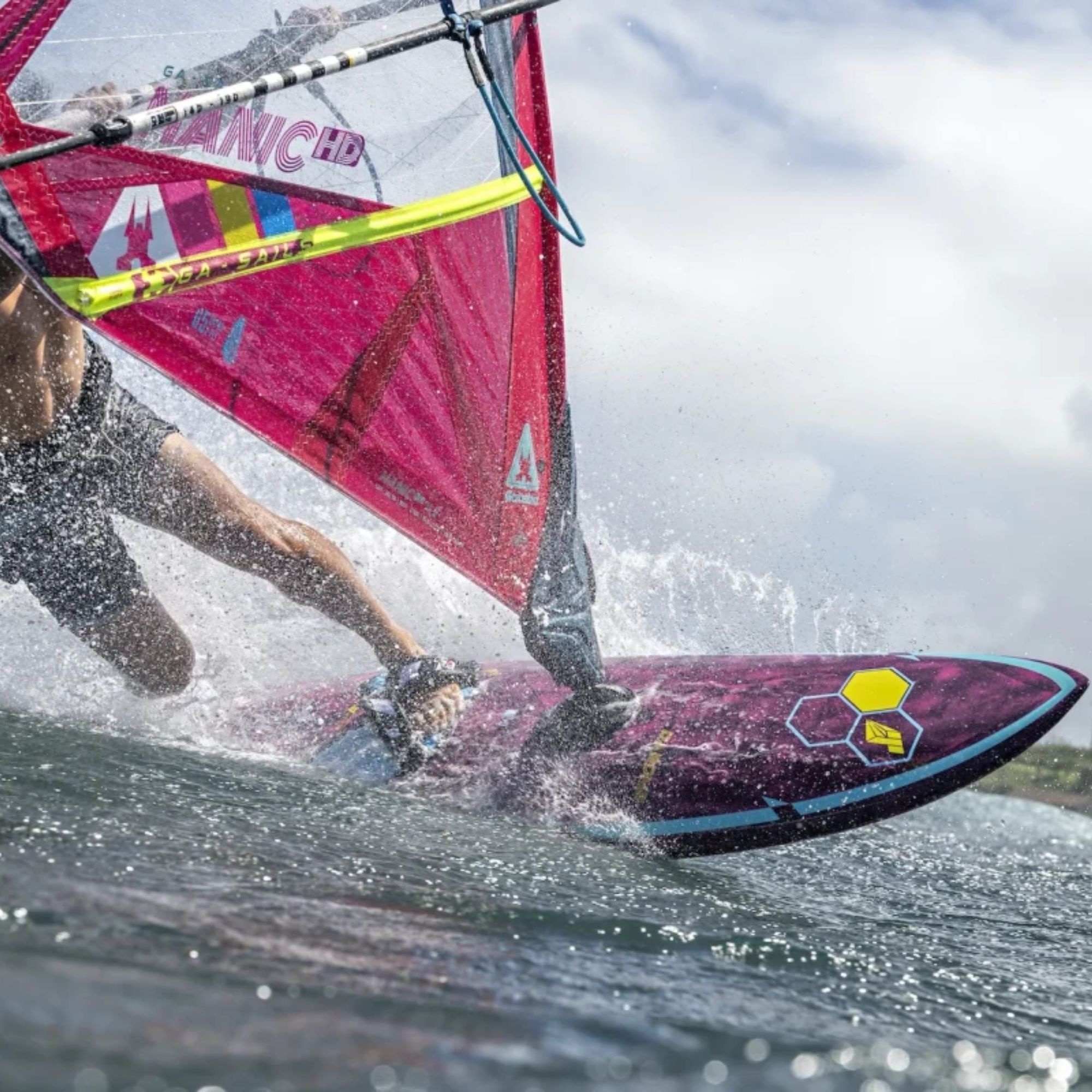
Tabou Da Bomb 2027: a new shape with an onshore focus
The Da Bomb has been redesigned in collaboration with Takuma Sugi. Early planing, acceleration and maintaining speed are important parts of its character, helping you make the most of messy conditions rather than needing a perfect Hawaiian wave.
The new bottom combines V in the nose, double concave beneath the feet and single concave towards the tail. According to the design description, this is intended to make rail transitions easier while retaining grip through turns. A shorter, wider nose gives the board compact proportions, while the low tail kick supports acceleration.
The Da Bomb is particularly worth considering if you sail in onshore conditions, need speed for jumping and want acceleration between manoeuvres. It remains a wave board, with thin tail rails that allow tight turns.
Wave / onshore
Tabou Da Bomb 2027
Da Curve vs Da Bomb: what will help you decide?
| Priority | Da Curve | Da Bomb |
|---|---|---|
| Main focus | Precision and dynamic wave manoeuvres | Wave sailing in varied conditions, with particular emphasis on onshore |
| Shape | Round pintail, single concave and a continuous scoop line | Compact nose, V / double-concave / single-concave bottom and low tail kick |
| Design priorities | Rail response and adjusting the turning radius | Combining early planing with manoeuvrability |
| Volumes | 69, 76, 82, 88, 96 and 106 litres | 77, 84, 94, 104 and 114 litres |
Our advice: consider the Da Curve primarily for wave riding, with its stronger down-the-line focus. Look at the Da Bomb when getting planing, jumping and making the most of onshore waves are equally important.
Both models have five Slot Box fin boxes and come with a thruster setup consisting of three K4 fins. Both also allow a quad configuration, but the fins needed for that setup must be purchased separately. The fin-box layout itself is therefore not a deciding difference between these boards.
Freestyle 2027: Gaastra Pure and Tabou Twister
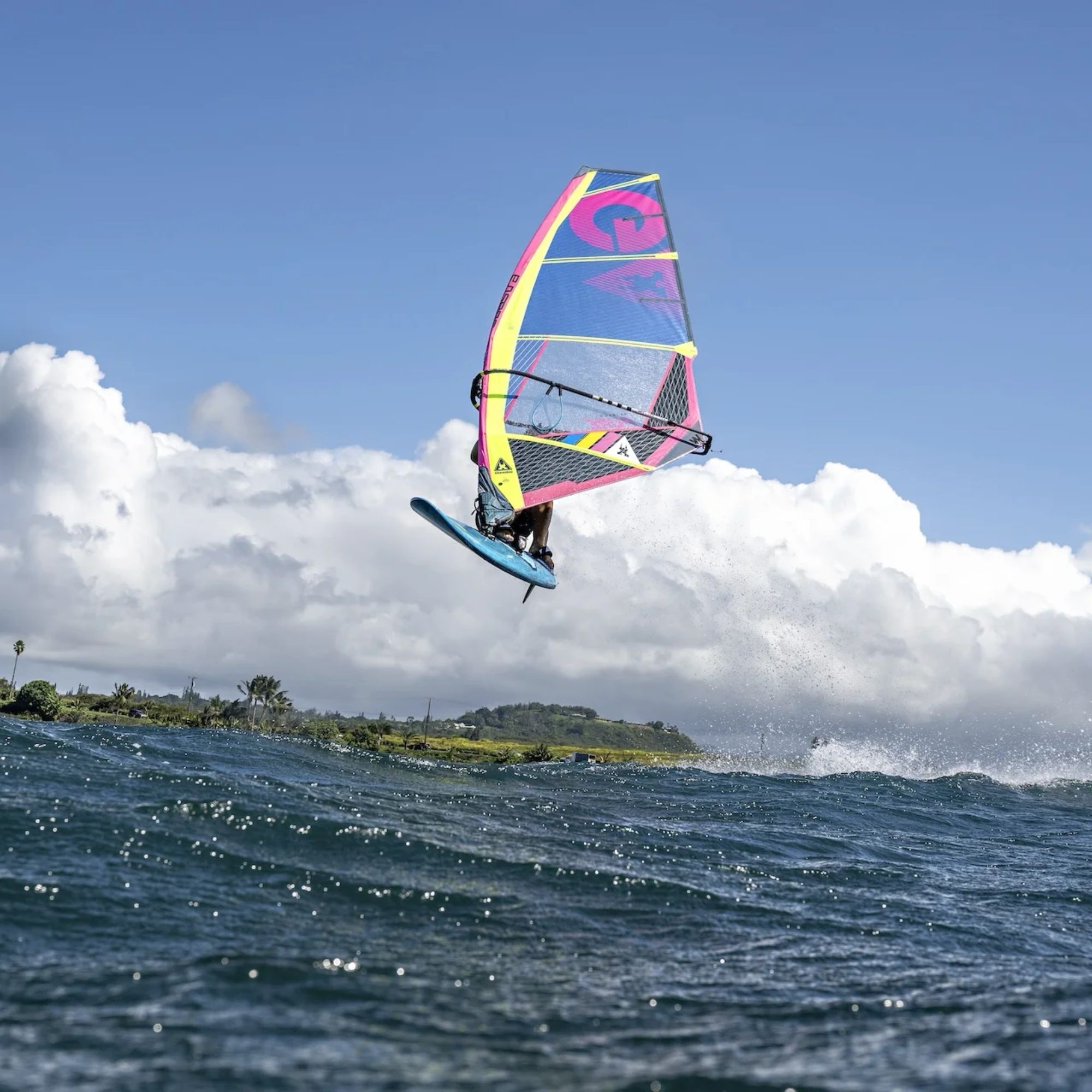
In freestyle, the focus shifts towards double rotations and the speed and compact equipment needed to perform them. This part of the collection features the Pure and Twister.
Gaastra Pure 2027: power for take-off, control through rotations
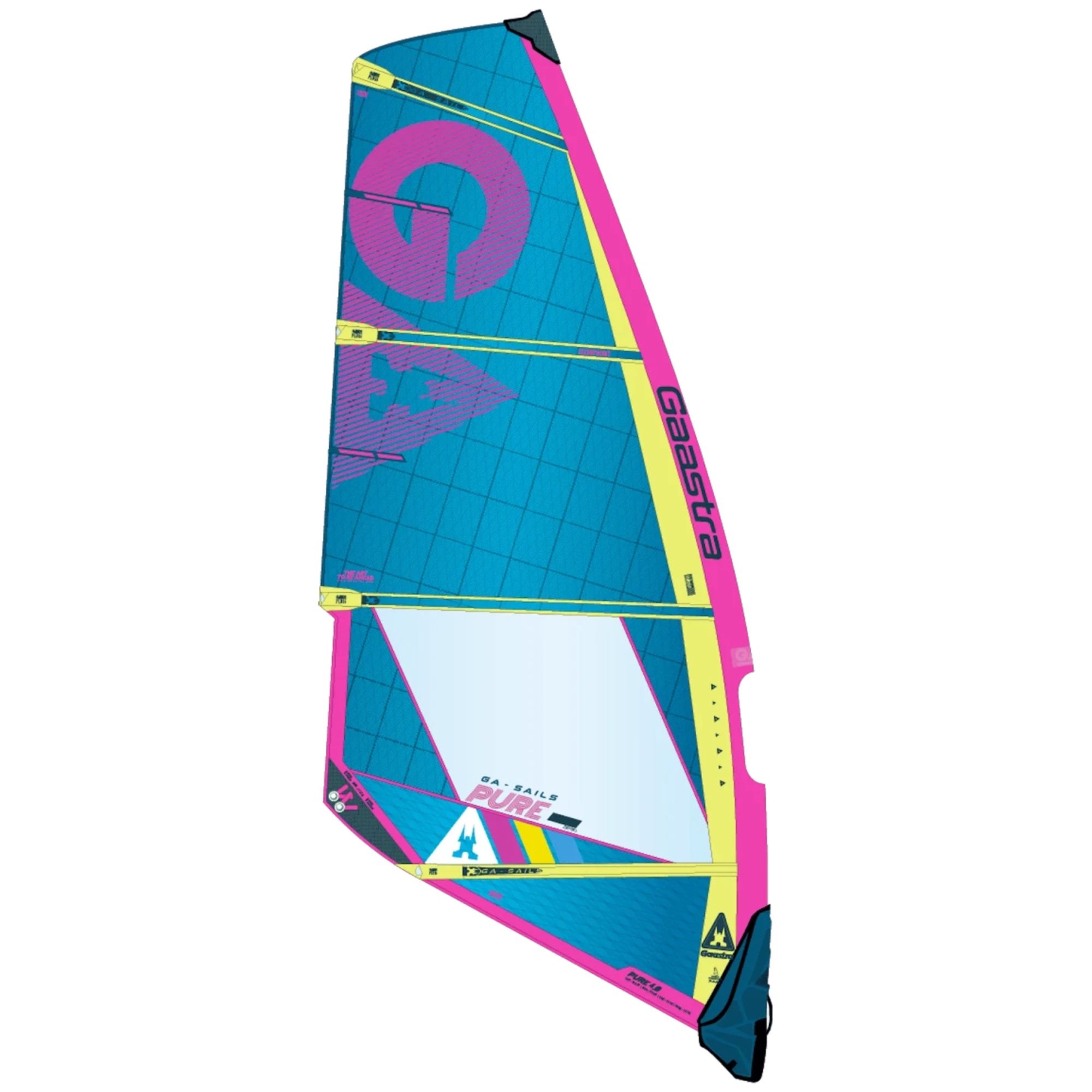
The Pure is a four-batten freestyle sail. A Dacron panel beside the mast sleeve lets you load the sail before take-off, while the lightweight 2-Ply upper section makes dynamic rig movements easier.
The battens above the boom use Integrated Batten Technology, developed to support symmetrical profile behaviour. This matters when you change the sail’s position quickly during a trick. The Pure is designed for RDM masts and comes in 4.0, 4.4, 4.8 and 5.2 m².
If freestyle manoeuvres are your main goal, it makes sense to consider it separately from wave sails. The fact that both the Pure and Manic have four battens does not mean they share the same intended use.
Tabou Twister 2027: the range gains an 85-litre model
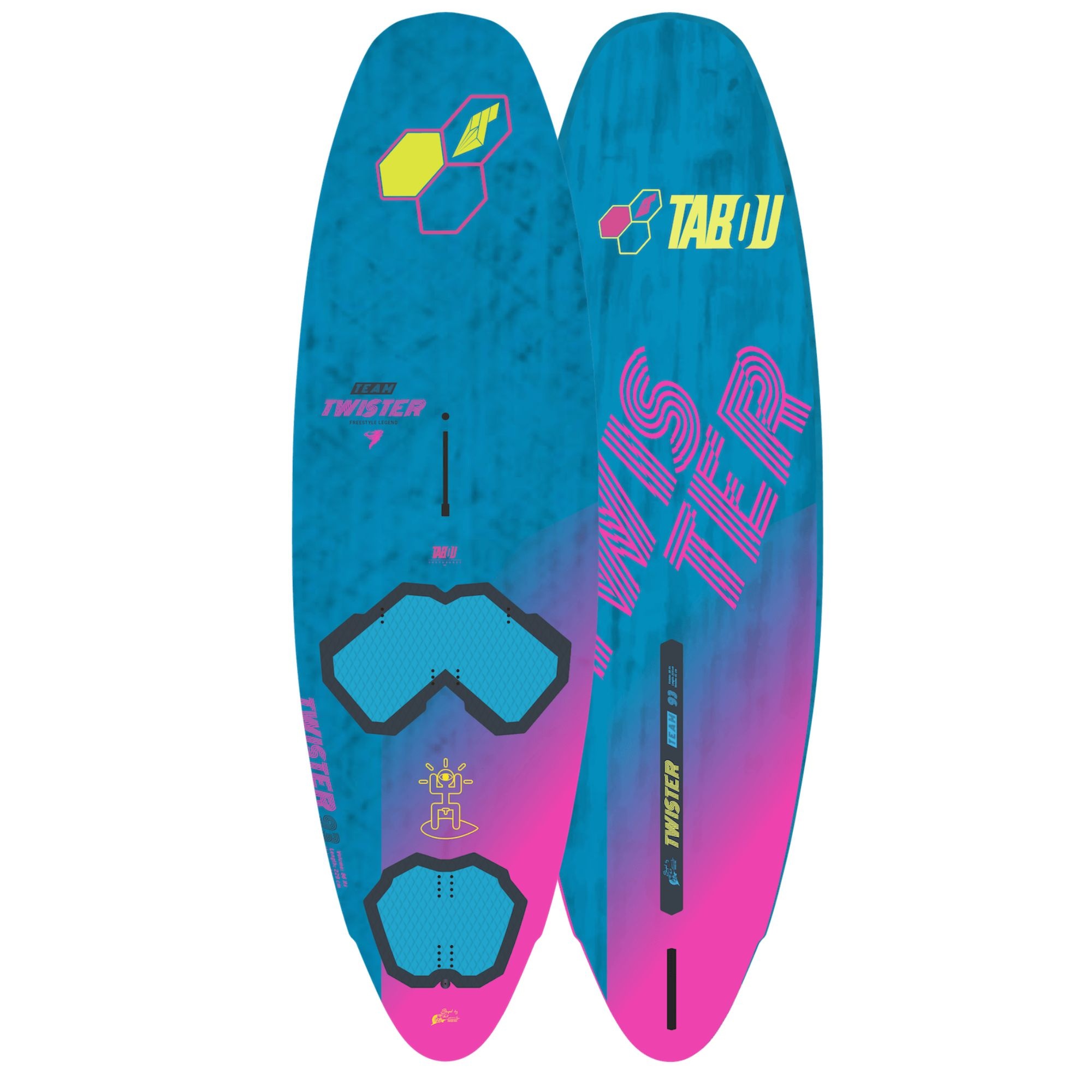
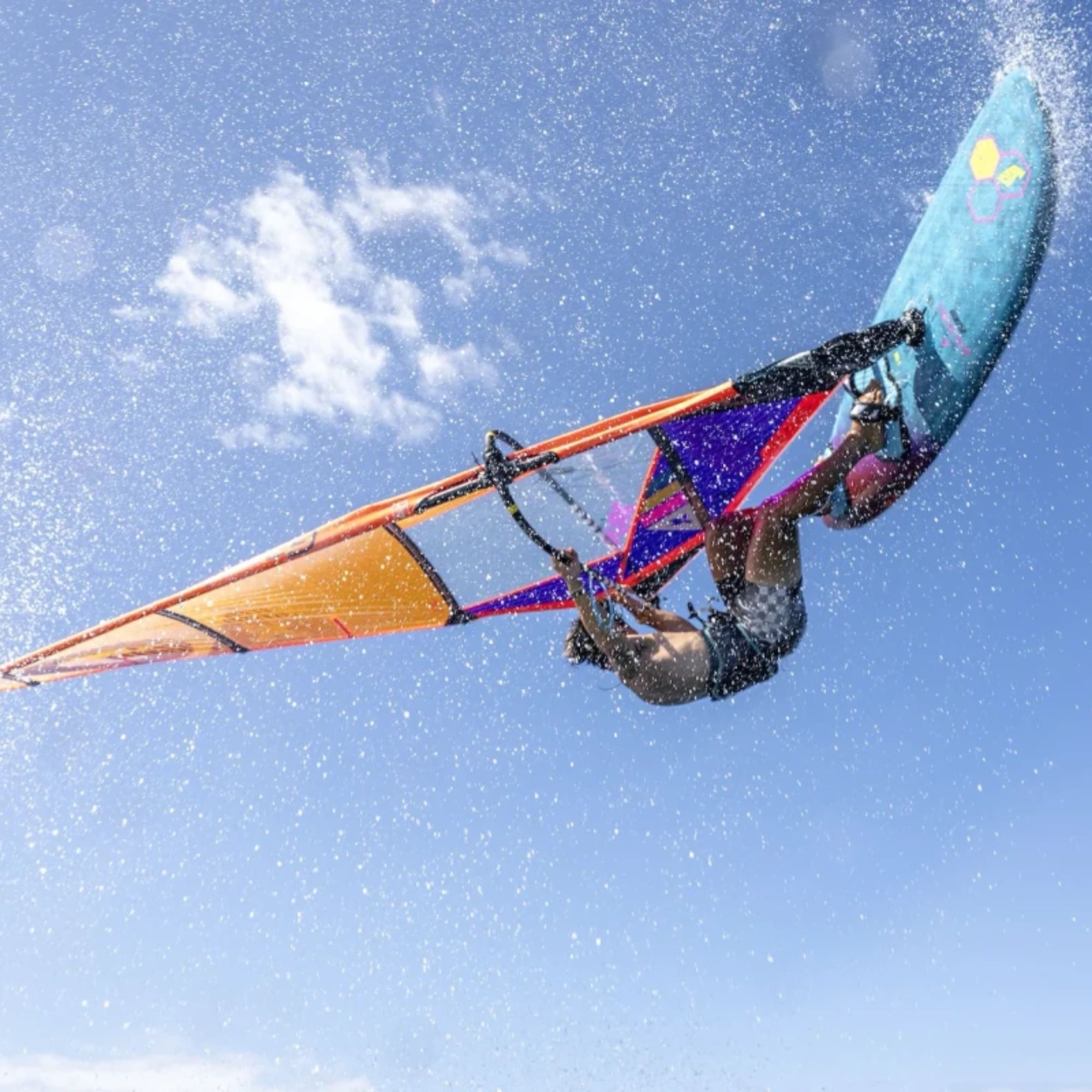
The Twister is a compact freestyle board. Its short outline reduces rotational inertia, while the tail geometry is focused on dynamic pop. The V bottom and boxy rails are designed to help with sliding moves, switch-stance sailing and recovering landings.
For 2027, the available volumes are 85, 93 and 103 litres. The new 85 is worth considering for lighter riders or freestyle in stronger winds. Larger volumes provide more support for heavier riders and in lighter winds. The right choice still depends on your skills, sail size and conditions.
The Twister has a single Power Box and comes with a Sashimi II fin. It is a board designed around tricks, so the selection criteria differ from those used for a wave board.
Freestyle
Tabou Twister 2027
Where should you start when choosing your setup?
If wave riding is your main priority, the Manic or Manic HD and Da Curve are sensible starting points when discussing a setup. If you combine jumping, fast reaches and onshore waves, look at the Boost and Da Bomb. For sessions dedicated to freestyle, the Pure and Twister are the natural direction.
These are examples of matching equipment characteristics. The Manic can also work with the Da Bomb, and the final choice depends on your conditions and how you want to sail. From there, we can choose the sail area, board volume and width, and check the mast requirements.
Need help choosing? Tell us your weight, where you usually sail, what equipment you currently use and what you want to work on next season. We will help you choose a model and size that suit your sessions.